Why Did the Insurance Company Deny My Car Accident Claim When the Police Report Blames the Other Driver?
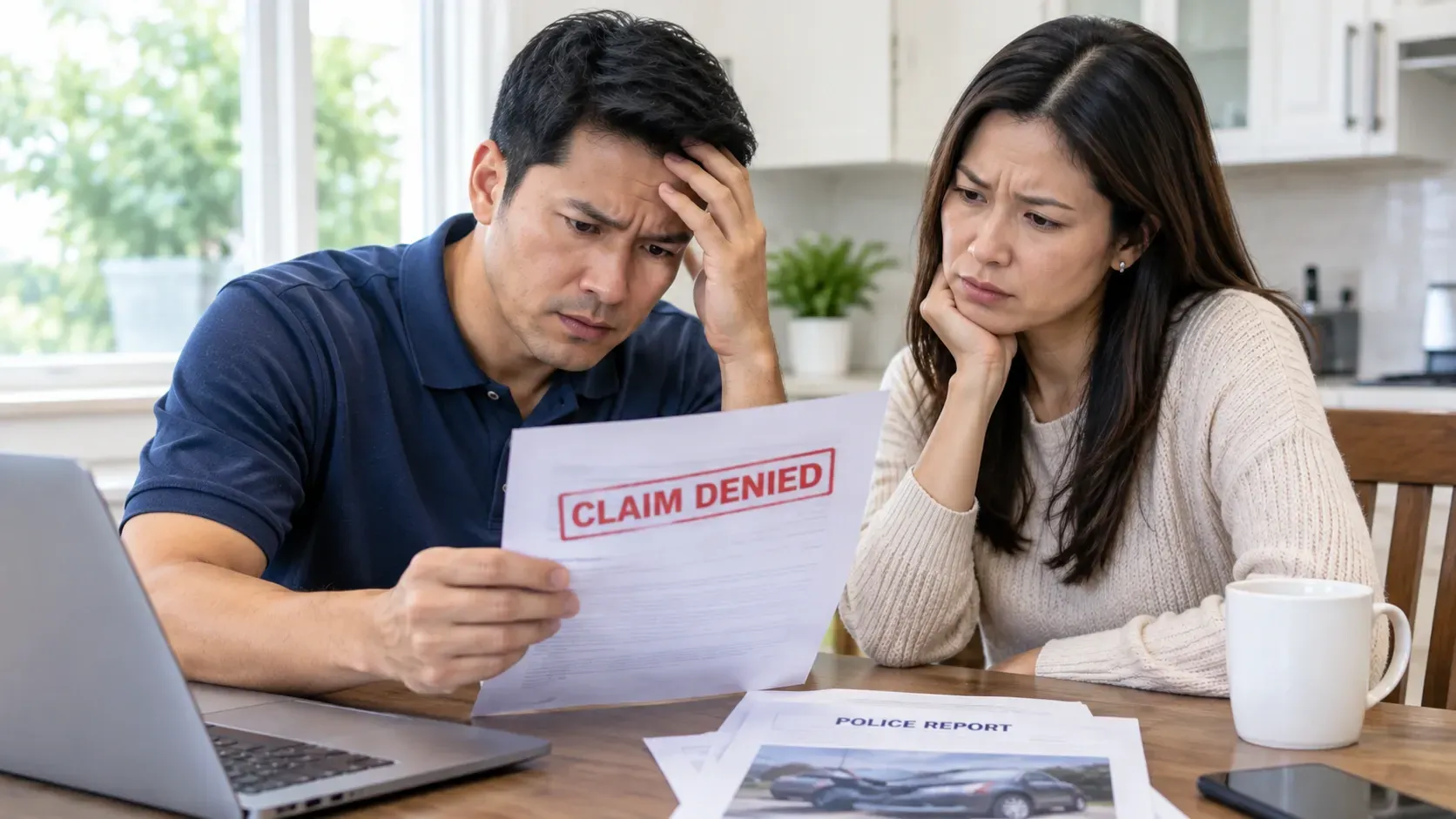
Table of Contents
- Introduction
- What a Police Report Does and Does Not Do
- Common Reasons an Insurer Denies a Claim
- Why Business Owners Face Extra Denial Risks
- Why Homeowners Run Into Different Problems
- Common Misunderstandings About Claim Denials
- What Typical Advice Overlooks
- A Practical Checklist After a Denial
- Conclusion
- Next Steps
- Frequently Asked Questions
Key Takeaways
- A police report is evidence, not a ruling, so an insurer can deny a claim even when the report names the other driver
- Many denials come from policy issues such as late notice, coverage gaps, or business use exclusions, not from who caused the crash
- In Michigan, the no-fault system means different coverages respond to different losses, so one denial may not end every option
- Business owners and homeowners often face distinct coverage questions that general advice does not address
- The denial letter is the most useful document you have, and reading it closely is the first step toward a response
Introduction
An insurance company can deny your car accident claim even when the police report blames the other driver because the report is only one piece of evidence, and denials often turn on policy terms, deadlines, documentation, or coverage questions that have nothing to do with who caused the crash. If you are working through a car accident claim dispute, the denial letter will usually point to the reason, and that reason determines what you can do next.
This matters most for people who depend on their vehicles and property. A homeowner may need a car repaired to get to work, and a business owner may be dealing with a damaged work vehicle, lost income, and an employee injury at the same time. A denial in either situation can create real financial pressure.
This guide explains what a police report actually does, the most common reasons for denial, and how Michigan's no-fault system changes the picture.
What a Police Report Does and Does Not Do
Many people treat the report as the final word on fault. Insurance companies do not.
An Officer's Account, Not a Verdict
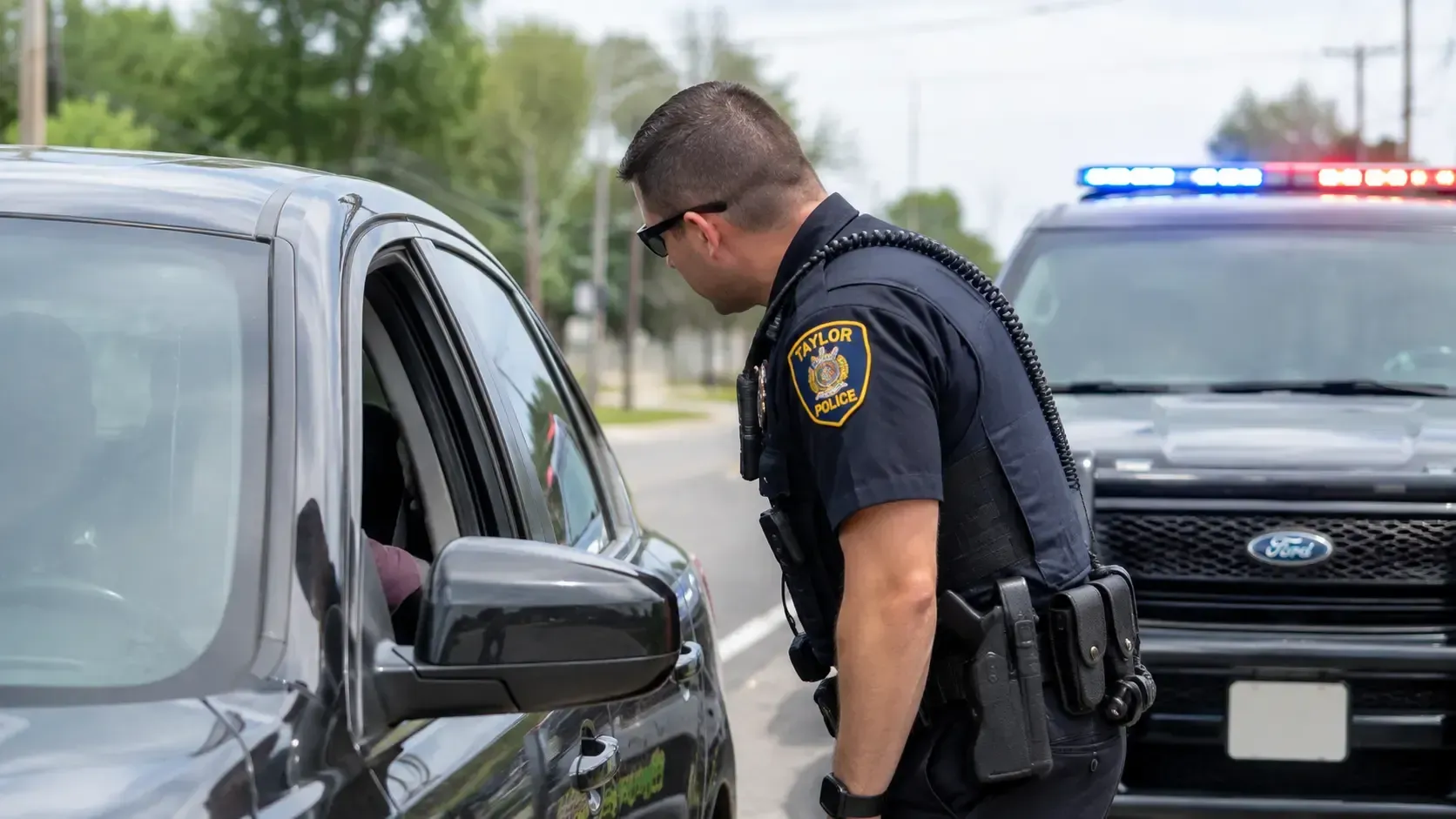
The report records what the responding officer observed, what drivers and witnesses said, and sometimes a citation or an opinion about the cause. The officer usually did not see the crash happen. The report can be persuasive, but it does not bind an insurer or a court.
Why Insurers Investigate Independently
Insurers run their own review of photos, vehicle damage, statements, and medical records. If their investigation points to a different conclusion, such as shared fault, they may rely on that instead of the report.
Errors Happen
Reports can contain mistakes in vehicle positions, street names, insurance details, or witness statements. Small errors can give an insurer a reason to question the whole file, which is why reviewing your copy early is worthwhile.
Common Reasons an Insurer Denies a Claim
The reason stated in the denial letter is the starting point. These are among the most common.
Disputed Fault
Even with a report that blames the other driver, an insurer may argue you share some responsibility, such as by speeding or not braking in time. In Michigan, shared fault can reduce what you recover and, in some cases, affects claims for pain and suffering.
Late Notice
Policies require prompt notice of a loss. Michigan's no-fault law also sets deadlines for certain benefits, including a one-year limit tied to when a claim for personal protection insurance benefits must be made. Missing a notice deadline can become a stated reason for denial.
Policy Problems
A lapsed policy, an unpaid premium, a driver not listed on the policy, or a vehicle not covered can all lead to denial. These issues are about the contract, not the crash.
Application Misstatements
If an insurer believes the application contained inaccurate information, such as about who drives the car or how it is used, it may deny the claim or try to void the coverage.
Treatment or Damage Disputes
Insurers sometimes accept that a crash happened but dispute that a particular injury or repair resulted from it, or argue the amount charged is too high.
Which Insurer Pays
Michigan's no-fault system includes rules about which insurer is responsible for certain benefits. A denial may sometimes reflect a priority dispute between insurers rather than a rejection of the loss itself.
Why Business Owners Face Extra Denial Risks
Vehicles used for work raise issues that personal-policy advice rarely covers, and business owners in Southgate and nearby Downriver communities often rely on those vehicles every day.
Business Use Exclusions
A personal auto policy may exclude or limit coverage when the vehicle is used for deliveries, client visits, or hauling equipment. If the crash happened during work use, the insurer may say the wrong policy was triggered.
Employee Drivers
When an employee is driving, questions can arise about who is listed, whether the driver had permission, and whether commercial coverage applies. These questions can delay or complicate a claim.
Lost Income and Equipment
A damaged vehicle can interrupt operations. Coverage for lost business income depends on the specific policies in place, and a claim denial on the auto side does not always settle what other coverage might apply.
Why Homeowners Run Into Different Problems
Homeowners often assume their homeowners policy and auto policy work together. They are separate contracts with different purposes.
Auto Damage Versus Property Damage
A homeowners policy typically does not cover vehicle damage. If a crash damages a fence, garage, or other part of the property, the question becomes which policy applies and who is responsible.
Parked Vehicles and Property
Michigan's no-fault law includes property protection coverage for certain damage caused by a vehicle, and a separate small-claim option exists to recover some vehicle damage from an at-fault driver, within statutory limits. How these apply depends on the facts and the current law, so confirming the details for your situation is important.
Understanding Your Own Coverage
Many homeowners learn their collision deductible, coverage limits, or optional coverages only after a loss. Reviewing the declarations page early can explain a denial or a lower payment.
Common Misunderstandings About Claim Denials
"The Police Report Guarantees Payment"
Common belief: If the report blames the other driver, the claim must be paid. What is actually true: The report is one source of evidence, and the insurer weighs it alongside everything else. Why it matters: Relying on the report alone can leave gaps in your documentation.
"A Denial Is Final"
Common belief: Once denied, you have no options. What is actually true: A denial can often be challenged by supplying missing information, requesting a written explanation, or pursuing other coverages. Why it matters: Giving up early may mean missing deadlines that still apply.
"The Other Driver's Insurer Handles Everything"
Common belief: Fault means the other side's insurer takes care of your losses. What is actually true: In Michigan's no-fault system, your own insurer often handles certain benefits regardless of fault. Why it matters: Pursuing the wrong insurer for the wrong loss can cost time.
What Typical Advice Overlooks
The Denial Letter Often Names the Real Issue
Generic articles focus on fault. The denial letter may instead cite a policy provision, a missing document, or a deadline. Matching the stated reason to the policy language is a more productive first step than arguing about the report.
Separate Coverages Can Have Separate Outcomes
One denial may involve only one coverage. Medical benefits, vehicle damage, and liability claims against the other driver follow different rules, so a denial of one does not automatically close the others.
Delay Can Matter More Than Disagreement
Deadlines apply to notices, benefit claims, and lawsuits. Waiting to see if the insurer changes its mind can use up time you may need later.
Documentation Gaps Look Like Disputes
An insurer may deny or underpay because records are missing, not because it disagrees. Photos, repair estimates, medical records, and receipts can resolve what looks like a disagreement.
A Practical Checklist After a Denial
Read the Letter Closely
Note the stated reason, any policy sections cited, and any deadline for responding or providing more information.
Gather Your Records
Collect the police report, photos, repair estimates, medical records, and any correspondence with the insurer. Keep notes of dates and names from phone calls.
Review the Policy
Compare the denial reason to your declarations page and the policy language. Check for business use terms, listed drivers, and coverage limits.
Respond in Writing
Ask the insurer to put its reasoning and any needed documents in writing. A written record can clarify what is actually in dispute.
Get the Facts Reviewed
A personal injury attorney can help evaluate whether the denial reason holds up and which deadlines still apply to your situation.
Conclusion
A police report that blames the other driver is helpful evidence, but it does not control what an insurance company decides. Denials usually rest on the policy, the paperwork, deadlines, or a disagreement about the facts.
For homeowners and business owners, the type of vehicle use and the structure of the policies add further questions. Reading the denial letter, matching it to your coverage, and acting before deadlines pass are the most reliable ways to protect your options.
Next Steps
If your claim was denied and you are unsure what the reason means for your situation, talking it through can clarify your next move. You are welcome to
contact our office
at Reeck Ct in Southgate to discuss your denial letter and your options, with no pressure and no assumptions about the outcome.
Frequently Asked Questions
Can an insurer deny my claim if the police report says the other driver was at fault?
Yes. The report is evidence, not a binding decision. Insurers can deny based on policy terms, late notice, disputed facts, or missing documentation.
What should I do first after receiving a denial letter?
Read it closely and note the stated reason and any deadlines. Then gather your records and compare the reason to your policy language.
Does a denial mean I cannot pursue the other driver?
Not necessarily. A denial from your insurer may affect only one coverage. Claims against an at-fault driver follow separate rules and deadlines.
Can a business use of my vehicle cause a denial?
It can. Some personal policies limit or exclude coverage for work use, so the type of use at the time of the crash may matter to the insurer.
Is there a deadline to challenge a denial?
Deadlines can apply to notices, benefit claims, and lawsuits. Because they vary by claim type, check the dates in your letter and policy early.