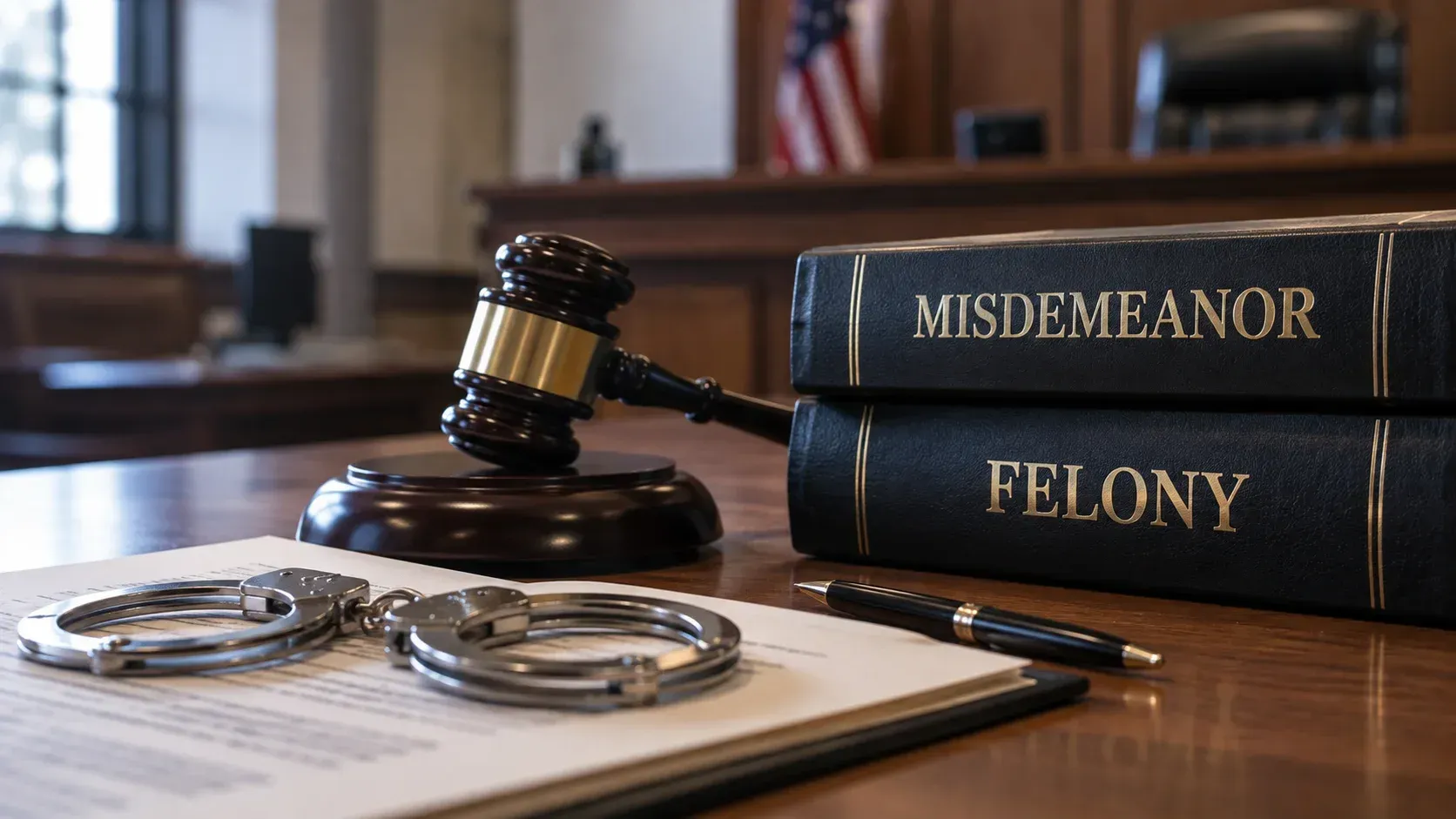
Why Would Police Search Your Car During a Traffic Stop in Taylor, Michigan Without a Warrant?
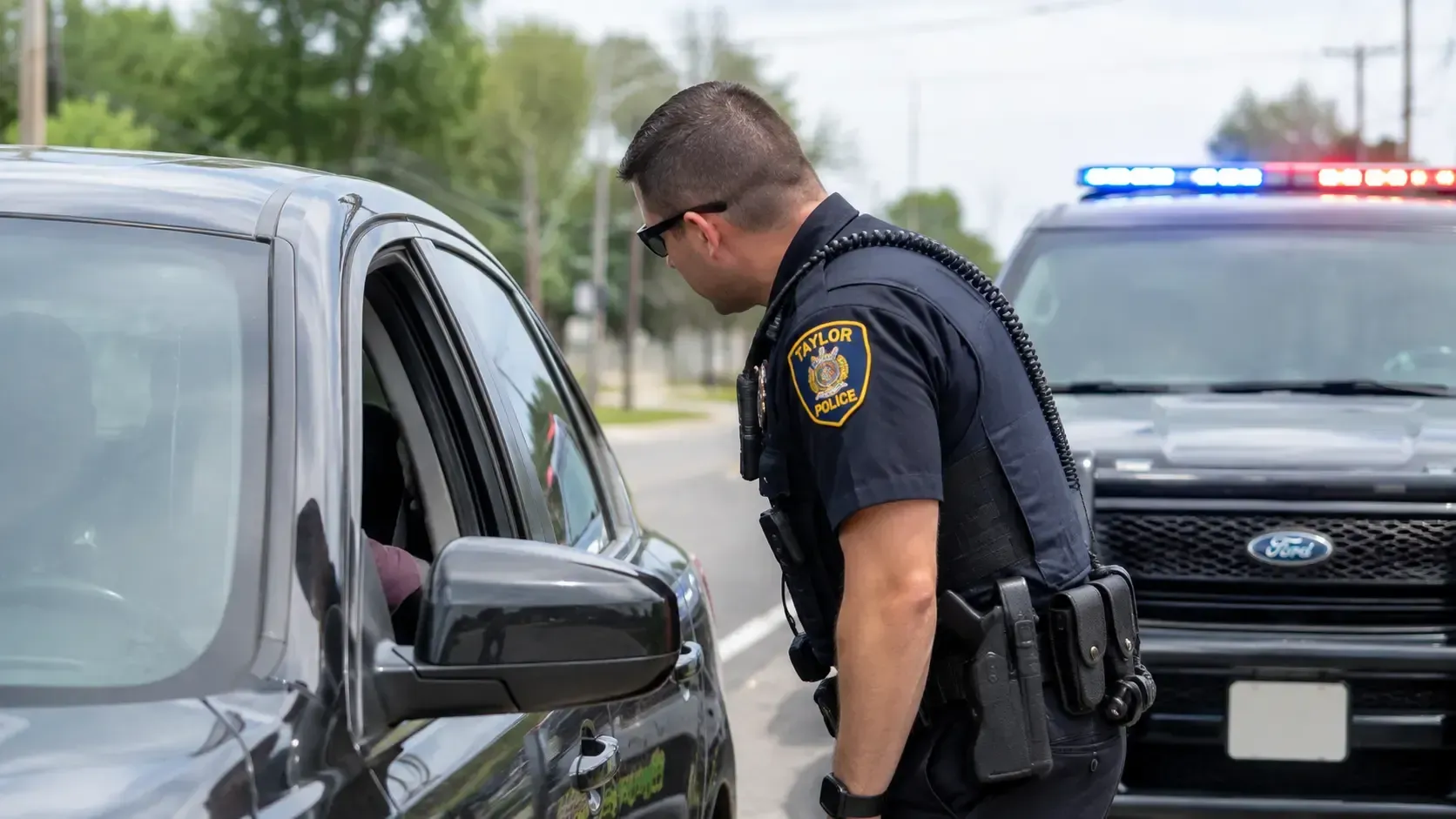
Table of Contents
- Introduction
- Why Vehicles Are Treated Differently
- Legal Exceptions That Allow a Warrantless Car Search
- Your Rights During a Traffic Stop
- What Happens If a Search Was Unlawful
- Common Misunderstandings About Car Searches
- What Typical Advice Overlooks
- Steps to Take After a Search
- Conclusion
- Next Steps
- Frequently Asked Questions
Key Takeaways
- Police can search a car without a warrant when they have probable cause, when the driver consents, or under a few other recognized exceptions
- Refusing consent is your right, but it does not stop officers from searching if they develop probable cause on their own
- A traffic violation alone does not give officers the right to search your vehicle
- Evidence from an unlawful search may be challenged through a motion to suppress, though the outcome depends on the facts
- Body camera and dash camera footage often matters more than the written police report when a search is reviewed
Introduction
Police can search your car during a traffic stop in Taylor, Michigan without a warrant when they have probable cause to believe it contains evidence of a crime, when you consent, or when another recognized exception applies. Courts call the main rule the "automobile exception," and it exists because vehicles are mobile and carry a lower expectation of privacy than a home. If you were charged after a roadside search, a criminal defense attorney can help you work out whether the search followed the law.
The question matters because a search that turns up drugs, a weapon, or other items can become the entire basis for a criminal charge. Whether that search was lawful may decide what evidence a prosecutor can use.
This guide explains the exceptions officers rely on, what rights you keep during a stop, and what options may exist if a search looks improper.
Why Vehicles Are Treated Differently
The Fourth Amendment protects against unreasonable searches and generally requires a warrant. Cars get different treatment than houses for two reasons.
Mobility
A car can leave before an officer could obtain a warrant, and evidence can leave with it. The U.S. Supreme Court recognized this in Carroll v. United States in 1925, and the principle still shapes vehicle search law today.
A Reduced Expectation of Privacy
Vehicles are registered, inspected, and used in public view. Courts treat that as a lower expectation of privacy. It is lower, not gone, and officers still need a legal justification to search.
Legal Exceptions That Allow a Warrantless Car Search
Several exceptions can justify a search without a warrant. Which one an officer relied on is often the central question in a challenge.
Probable Cause
Probable cause means specific facts that would lead a reasonable person to believe evidence of a crime is in the car. Examples include contraband in plain view, a reliable tip, or a strong odor of a controlled substance. A hunch or nervousness alone is not enough.
Consent
If you agree to a search, officers do not need probable cause. Consent has to be voluntary, and officers are not required to tell you that you can say no. Many searches happen only because a driver said yes.
Search Incident to Arrest
After an arrest, officers may search the passenger area if the arrested person could still reach it, or if it is reasonable to believe evidence of the offense is inside. The Supreme Court narrowed this rule in Arizona v. Gant.
Plain View
Officers who lawfully see contraband inside a car can seize it. Plain view justifies taking the visible item, but it does not automatically justify searching the whole vehicle.
Inventory Searches
When a car is lawfully impounded, officers may inventory its contents under standard department procedures. Evidence found this way can be used if the inventory was a genuine procedure and not a pretext.
Exigent Circumstances
A true emergency, such as imminent destruction of evidence or a safety threat, can justify a search. Convenience for the officer does not qualify.
Your Rights During a Traffic Stop
Knowing where your rights begin and end helps you stay calm and avoid giving up protections by accident.
Documents and Silence
You must provide your license, registration, and proof of insurance. You generally do not have to answer questions about where you are going or what is in the car.
Refusing Consent
You can clearly and politely say, "I do not consent to a search." Refusal cannot be used as probable cause. It also does not end the matter, because officers can still search if they establish probable cause another way.
Stop Length
A stop cannot last longer than needed to handle the traffic violation unless officers develop additional reasonable suspicion. If a stop drags on, you can ask whether you are free to go. Learning your civil rights during police encounters can make these moments less confusing.
Do Not Physically Resist
Even if you believe a search is illegal, resisting creates safety risks and new charges. The place to challenge it is in court, through your attorney.
What Happens If a Search Was Unlawful
An unlawful search does not automatically end a case, but it can open legal options.
The Exclusionary Rule
Evidence gathered through a Fourth Amendment violation may be excluded from trial. If that evidence is central to the charge, its exclusion can change how the case moves forward.
Motion to Suppress
Your attorney files a motion to suppress, and a judge hears testimony about the stop and decides whether the search was lawful. Evidence found because of an unlawful search can sometimes be excluded as well.
Limits to Keep in Mind
Judges weigh officer testimony and video against your account. Some searches are upheld even when they look questionable, so the result depends on the specific facts and cannot be predicted in advance.
Common Misunderstandings About Car Searches
"Police Always Need a Warrant"
Common belief: Officers must have a warrant to search any car. What is actually true: The automobile exception removes the warrant requirement when probable cause exists. Why it matters: Assuming a warrant was required can lead people to overlook the real question, which is whether probable cause existed.
"Saying No Stops the Search"
Common belief: If you refuse consent, officers cannot search. What is actually true: Refusal blocks a consent search only. Officers may still rely on probable cause, an arrest, or an inventory. Why it matters: Refusing is still wise because it preserves a later challenge, but it is not a guarantee.
"No Miranda Warning Means the Evidence Is Thrown Out"
Common belief: Evidence is excluded if officers never read your rights. What is actually true: Miranda covers statements made during custodial questioning. It does not govern whether a vehicle search was lawful. Why it matters: Mixing up the two can lead to relying on a defense that does not apply.
What Typical Advice Overlooks
Video Can Contradict the Report
Police reports are written after the fact. Body camera and dash camera footage can confirm or contradict them, and it may be deleted after a retention period, so it should be requested early.
The Timing of the Consent Request
If the original purpose of the stop was finished and the officer then asked to search, the question becomes whether the stop was extended without justification. That timing issue is easy to miss.
Marijuana Odor Is More Complicated Now
Since Michigan legalized adult-use marijuana, the smell of marijuana may not carry the same weight it once did as the sole basis for probable cause. Courts continue to work through how this applies, so outcomes can turn on the exact facts.
Local Context Matters
Where you were stopped can affect which court hears the case and how it is handled. Drivers stopped in Taylor and nearby Downriver communities can face different local procedures, which is one reason case-specific review matters.
Steps to Take After a Search
Write Down What You Remember
Record the sequence of events, what each person said, how long the stop lasted, and anything unusual. Details fade quickly.
Preserve Video
Your attorney can send a preservation request for body camera and dash camera footage. Do this soon, because retention periods vary.
Keep the Details Private
Avoid describing the stop on social media or to anyone other than your attorney.
Get the Facts Reviewed Before Court
Whether a motion to suppress makes sense depends on the specific facts. Many firms answer common questions in an FAQ, but a case review is the only way to learn how the law applies to your stop.
Conclusion
Officers can search a car without a warrant under several exceptions, most often probable cause, consent, and a lawful arrest. These rules exist because vehicles are mobile and carry a lower expectation of privacy.
A traffic violation alone does not authorize a search, and refusing consent is a right you keep. If a search led to charges, the details of what the officer saw, said, and did determine whether the search can be challenged. Those details, including any video, matter more than general rules.
Next Steps
If you were searched during a traffic stop near Southgate or Taylor and have questions about what happened, talking through the facts can clarify where you stand. You are welcome to contact our office to discuss your situation, with no obligation and no assumptions about the outcome.
Frequently Asked Questions
Can police search my car just because I was stopped for speeding?
No. A traffic violation alone does not authorize a search. Officers need probable cause, your consent, or another recognized exception.
Should I let an officer search my car if asked?
You may decline politely. Saying "I do not consent to a search" preserves your rights, though officers may still search if they have probable cause.
Does nervousness give police probable cause?
Not by itself. Courts recognize that many people feel nervous during police encounters, so nervousness carries limited weight alone.
Can officers search my trunk?
If they have probable cause to believe evidence is anywhere in the vehicle, including the trunk, the automobile exception can cover it.
What if the drugs found in my car were not mine?
Ownership and knowledge are separate from whether the search was lawful. Both can matter, and an attorney can review which issues apply.