What Should You Do Immediately After a Car Accident During Michigan's Busy Summer Travel Season?
It is worth speaking with an employment lawyer early, ideally before you leave a job or take major steps, so you can preserve the right evidence from the start. An attorney can tell you which records matter most for your claim, how to collect them lawfully, and what deadlines apply.
Early guidance is especially valuable because some evidence becomes harder to obtain once you lose access to work systems. A lawyer can also assess the overall strength of your potential employment lawsuit and explain your options. The aim is a well-documented case and a clear understanding of the path ahead.
It is worth speaking with an employment lawyer as soon as you suspect retaliation, especially if you have faced a firing, demotion, or other serious action after a protected activity. An attorney can evaluate whether the facts support a claim, explain the relevant deadlines, and outline your options.
Early legal guidance also helps you preserve evidence and avoid steps that could undermine your position. Because employment laws are detailed and deadlines apply, a timely consultation matters. The goal is a clear understanding of your rights and a sound plan for protecting them.

Table of Contents
- Why Summer Increases Car Accident Risk in Michigan
- Step 1: Check for Injuries and Move to Safety
- Step 2: Call 911 When Necessary
- Step 3: Exchange Information With the Other Driver
- Step 4: Document the Accident Scene
- Step 5: Notify Your Insurance Company
- When to Consider Speaking With an Attorney
- Common Mistakes People Make After an Accident
- Conclusion
Key Takeaways
- Move to safety first, then check for injuries before doing anything else
- Michigan's summer months bring more traffic, tourists, and construction, which raises accident risk
- Documenting the scene with photos and notes matters more than people realize
- You are required to exchange information and report certain accidents to police
- Contacting your insurance provider quickly helps protect your claim, but be careful what you say
Introduction
After a car accident in Michigan, your first steps should be checking for injuries, moving to a safe location if possible, and calling 911 if anyone is hurt or the damage is significant. These first few minutes matter, especially during the summer months when Michigan roads see a sharp jump in traffic from tourists, holiday travelers, and construction detours.
Southgate, Michigan and the surrounding Wayne County area see a noticeable rise in accidents between Memorial Day and Labor Day. More cars on the road, combined with unfamiliar out-of-state drivers and ongoing road work, creates conditions that catch even experienced local drivers off guard. This is one reason personal injury cases tend to increase during the summer months in this region.
This guide walks through exactly what to do at the scene of a crash, step by step, so you know how to protect your safety and your rights no matter where in Michigan the accident happens.
Why Summer Increases Car Accident Risk in Michigan
Michigan's summer travel season runs roughly from late May through early September. During this stretch, highways and local roads carry a much heavier load than usual.
A few reasons contribute to this pattern. Families take road trips to lakes and state parks. Out-of-state visitors drive unfamiliar roads. Construction crews take advantage of warmer weather to repair highways, which narrows lanes and slows traffic unpredictably.
Detroit-area freeways, including routes near Southgate, Taylor, and Wyandotte, often see backups from both tourist traffic and roadwork at the same time. This combination increases the chance of rear-end collisions, lane-change accidents, and crashes near construction zones.
Longer daylight hours also mean people drive later into the evening, sometimes after a full day of outdoor activity or drinking, which adds another layer of risk.
Step 1: Check for Injuries and Move to Safety
The first thing to do after any collision is check yourself and your passengers for injuries. Adrenaline can mask pain, so even if you feel fine, pay attention to any dizziness, neck stiffness, or unusual discomfort in the minutes after impact.
If your car is drivable and you are in a dangerous spot, such as a highway lane or intersection, move it to the shoulder or a nearby parking lot. Turn on your hazard lights right away.
If the vehicle cannot be moved safely or someone is injured, stay where you are and wait for help rather than risking further injury by trying to push or move the car yourself.
Step 2: Call 911 When Necessary
Michigan law requires you to report an accident to police if it results in injury, death, or property damage that appears to total $1,000 or more. In practice, this covers almost every collision beyond a very minor scrape.
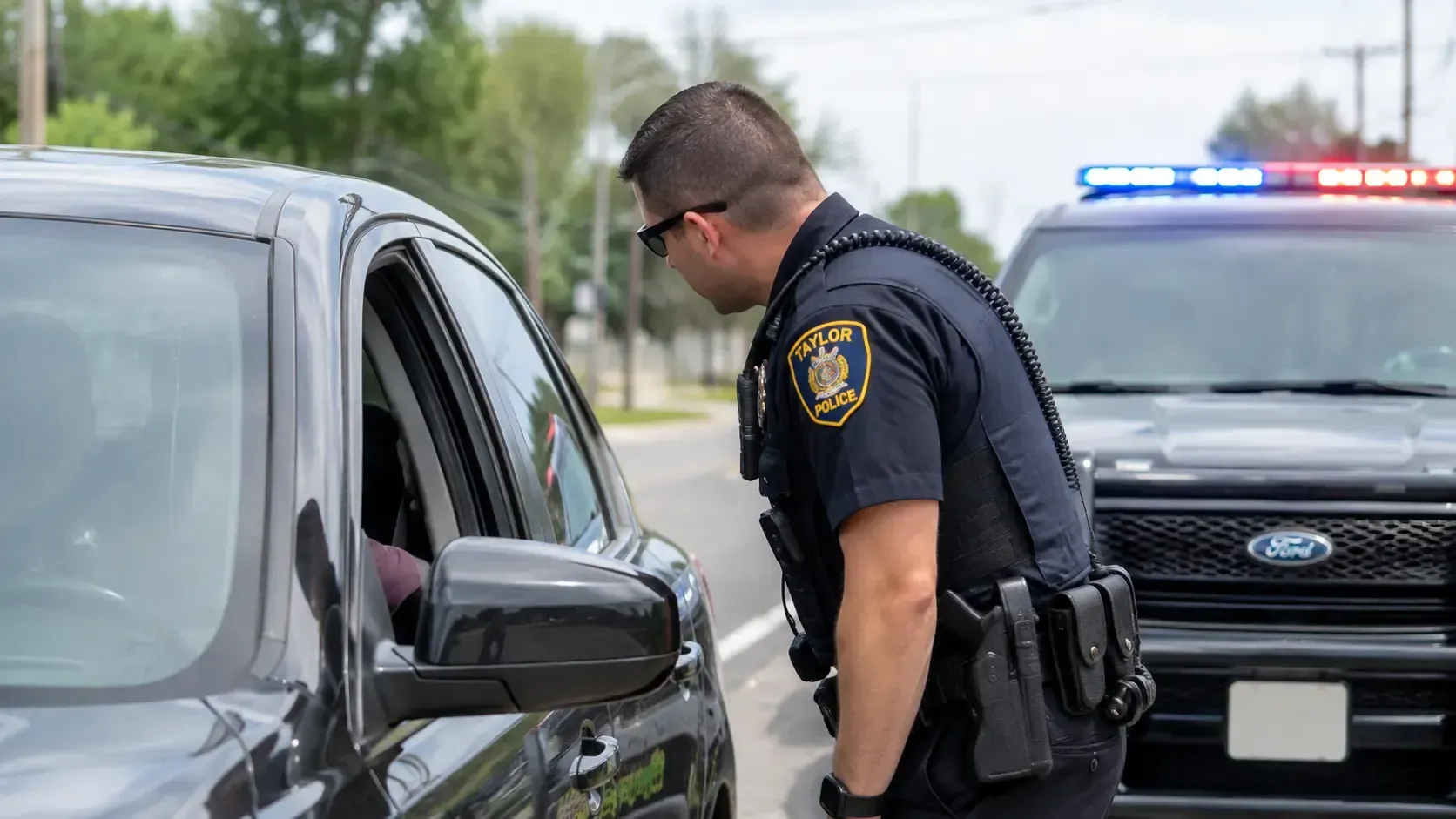
When you call 911, give the dispatcher your location, whether anyone is injured, and whether vehicles are blocking traffic. Try to stay calm and stick to the facts.
A responding officer will typically create an accident report, which becomes an important document later if you need to file an auto negligence claim with an insurance company.
Step 3: Exchange Information With the Other Driver
Once everyone is safe, exchange the following details with any other drivers involved:
- Full name and contact information
- Driver's license number
- License plate number
- Insurance company and policy number
- Vehicle make, model, and year
Keep this conversation brief and factual. This is not the time to discuss who caused the accident or apologize, since statements made at the scene can sometimes be used later during a claim review.
If any passengers or witnesses are present, ask for their contact information as well. A witness account can be useful if there is ever a disagreement about how the accident happened.

Step 4: Document the Accident Scene
Before vehicles are moved or cleared away, take photos and notes if it is safe to do so. Documentation helps create an accurate record while details are still fresh.
Useful photos include:
- Damage to all vehicles involved
- License plates
- The overall accident scene, including road conditions and traffic signals
- Any skid marks, debris, or road hazards
- Weather and lighting conditions at the time
Write down the time, location, and direction each vehicle was traveling. Small details like these are easy to forget within a day or two.
If the accident happened near a specific landmark or intersection, note that too. This can help later if you need to explain the accident to your insurance provider or if you decide to look into your legal options through the areas we serve across Wayne County.
Step 5: Notify Your Insurance Company
Michigan operates under a no-fault insurance system, which means your own insurance typically covers your medical expenses regardless of who caused the accident. Because of this, it's important to notify your insurer promptly, often within 24 to 48 hours.
When you call, stick to basic facts: date, time, location, and what happened. Avoid speculating about fault or minimizing your injuries, since early statements can affect how a claim is handled later.
Keep a copy of the police report number, if one was issued, along with any claim number your insurer gives you. These will come up again if you need follow-up documentation.
When to Consider Speaking With an Attorney
Not every accident requires legal help. A minor fender-bender with no injuries and quick insurance cooperation often resolves without additional steps.
However, some situations are worth a closer look, such as accidents involving serious injury, disputes over fault, or insurance companies that delay or deny reasonable claims. In these cases, understanding your rights under Michigan law can help you make informed decisions.
Residents in Southgate, Michigan and nearby Wayne County communities sometimes reach out to local attorneys simply to understand their options, not necessarily to file a lawsuit. Getting clear information early can prevent confusion later in the claims process.
Common Mistakes People Make After an Accident
A few mistakes tend to show up repeatedly after Michigan car accidents:
- Not calling police for accidents that meet the reporting threshold
- Forgetting to photograph the scene before vehicles are moved
- Admitting fault or apologizing at the scene
- Waiting too long to notify their insurance company
- Skipping a medical checkup even when injuries seem minor
Avoiding these missteps does not guarantee a smooth process, but it does help preserve accurate records and protect your position if questions come up later.
Conclusion
Car accidents during Michigan's busy summer season involve the same basic steps as any other time of year, but the higher traffic volume and construction activity make preparation more important. Checking for injuries, calling 911 when required, exchanging information, documenting the scene, and notifying your insurance company are the core steps that apply in nearly every case.
Understanding your rights and responsibilities after a crash helps you respond calmly and clearly, rather than reacting under pressure. This kind of preparation supports better decision-making at a stressful moment, regardless of how the situation unfolds afterward.
Still Not Sure What to Do After Your Michigan Car Accident?
Every accident is a little different, and it's normal to have questions about your specific situation. If you want to talk through what happened and understand your options with no pressure and no assumptions about outcome, you can contact us to speak with someone who can walk you through it in plain terms.
Frequently Asked Questions
Do I have to call the police after every car accident in Michigan?
Michigan law requires a police report if the accident involves injury, death, or property damage of $1,000 or more. Most accidents beyond a very minor scrape meet this threshold.
What if the other driver doesn't want to exchange information?
You can still note their license plate, vehicle description, and location, then let police document the rest once they arrive. Refusing to exchange basic information after a reportable accident can carry legal consequences.
How soon should I contact my insurance company?
Most insurers ask to be notified within 24 to 48 hours. Prompt reporting helps keep the claims process moving and reduces the chance of disputes over timing.
Does Michigan's no-fault law mean I can't be held responsible for an accident?
No-fault insurance mainly affects who pays initial medical costs, not necessarily who is considered at fault for the collision itself. Fault can still matter for other parts of a claim
Should I see a doctor even if I feel fine after the accident?
Some injuries, such as whiplash or soft tissue damage, don't show symptoms right away. A medical check creates a record that can matter later if symptoms appear.